Introduction
In recent years, schools and daycares across the country have been making the switch from natural grass to synthetic turf for their outdoor play areas. This trend is driven by several factors, including durability, safety, and cost-effectiveness. As educational institutions seek low-maintenance solutions that provide a safe and reliable environment for children, synthetic turf has emerged as a popular choice.
Below, we explore the key reasons behind this shift and how synthetic turf is transforming playgrounds and sports fields in educational settings.
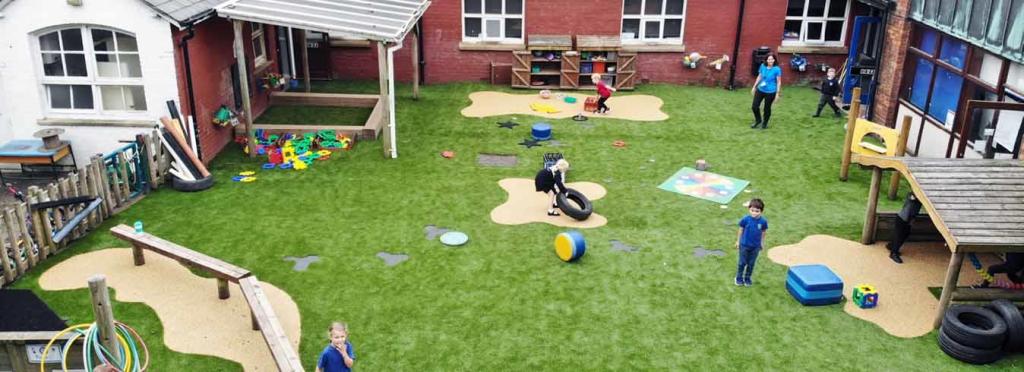
The Benefits of Synthetic Turf for Schools and Daycares
1. Durability and Longevity
Natural grass requires constant upkeep, including mowing, watering, and fertilizing. Over time, high-traffic areas can become worn out, leading to muddy patches and uneven surfaces. Synthetic turf, on the other hand, is designed to withstand heavy use without deteriorating.
- Weather-resistant: Unlike grass, synthetic turf doesn’t get waterlogged or turn into mud after rain.
- Year-round usability: It remains green and functional in all seasons, eliminating downtime due to maintenance.
- Long lifespan: High-quality synthetic turf can last 8–15 years with minimal upkeep.
For schools and daycares, this means fewer closures for field repairs and a consistently usable play area.
2. Enhanced Safety Features
Safety is a top priority for any institution caring for children. Synthetic turf offers several safety advantages over natural grass:
- Impact absorption: Many synthetic turf systems include padded underlays that reduce injuries from falls.
- Even surface: Unlike natural grass, which can develop holes and uneven terrain, synthetic turf provides a flat, stable playing field.
- Non-toxic materials: Modern synthetic turf is free from harmful chemicals, making it safe for kids to play on.
These features make it an ideal choice for playgrounds, sports fields, and daycare play zones where falls and tumbles are common.
3. Low Maintenance and Cost Savings
Maintaining natural grass fields can be expensive and labor-intensive. Schools and daycares often struggle with budget constraints, making synthetic turf a financially smart alternative.
- No watering needed: Synthetic turf eliminates the need for irrigation, saving thousands of gallons of water annually.
- No mowing or fertilizing: Schools can reduce landscaping costs and reallocate resources to other programs.
- Minimal repairs: Unlike grass, synthetic turf doesn’t develop bald spots or require reseeding.
While the initial installation cost may be higher, the long-term savings make it a worthwhile investment.
4. All-Weather Playability
Rain and extreme weather often force schools to cancel outdoor activities due to muddy or unsafe conditions. Synthetic turf solves this problem by providing a reliable surface in all weather conditions.
- Quick drainage: Advanced drainage systems prevent puddles, allowing play to resume shortly after rain.
- No mud or dirt: Children stay cleaner, reducing mess in classrooms and daycare facilities.
- Consistent performance: Sports teams can practice and play games without worrying about field conditions.
This all-weather functionality ensures that children have more opportunities for outdoor play and physical activity.
5. Aesthetic Appeal and Customization
Synthetic turf maintains a vibrant, lush appearance year-round, enhancing the visual appeal of school and daycare campuses. Additionally, it offers customization options:
- Color variations: Schools can choose different shades of green or even incorporate colored turf for playground designs.
- Line markings: Sports fields can have permanent, fade-resistant lines for soccer, football, or other games.
- Creative layouts: Daycares can design fun patterns or themed play areas to stimulate children’s imaginations.
This flexibility allows institutions to create engaging, visually appealing spaces tailored to their needs.
6. Environmental Benefits
While some may argue that natural grass is more eco-friendly, synthetic turf has several environmental advantages:
- Water conservation: Eliminating the need for irrigation reduces water usage significantly.
- No pesticides or fertilizers: Synthetic turf doesn’t require harmful chemicals that can leach into groundwater.
- Recyclable options: Many synthetic turf products are made from recycled materials and can be recycled at the end of their lifespan.
For schools and daycares looking to adopt sustainable practices, synthetic turf presents a viable green solution.
Conclusion
The shift to synthetic turf in schools and daycares is driven by practical, financial, and safety considerations. Its durability, low maintenance, and all-weather usability make it an attractive alternative to natural grass, while its safety features ensure a secure environment for children to play and learn.
As more institutions recognize these benefits, synthetic turf is likely to become the standard for playgrounds and sports fields in educational settings. Whether for a small daycare play area or a large school sports field, synthetic turf offers a long-term solution that meets the needs of both administrators and children alike.
By investing in synthetic turf, schools and daycares can create safer, more functional, and visually appealing outdoor spaces that enhance the overall experience for students and staff.
 The Lawn Shift