Phoenix Homeowners’ Guide to Maintaining an Artificial Putting Green

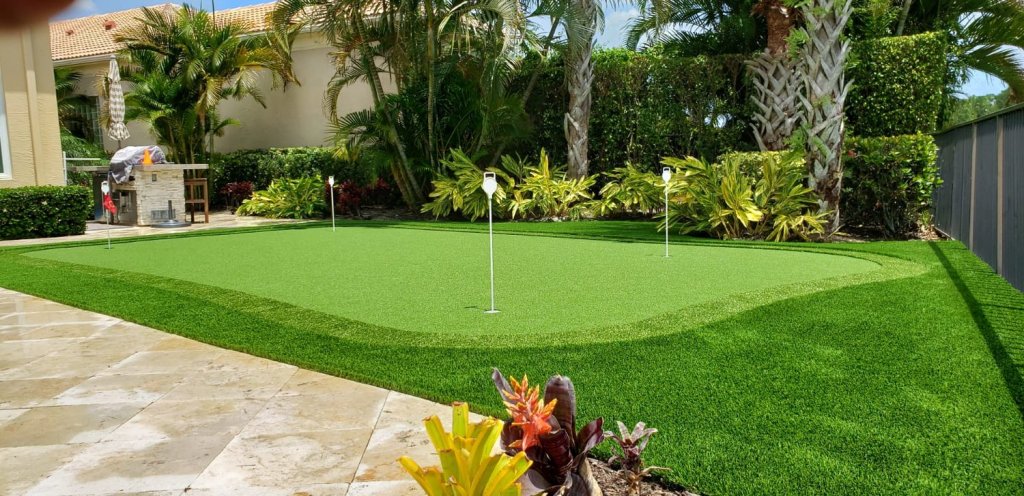
Artificial putting greens are a fantastic addition to any Phoenix home, offering year-round golf practice without the hassle of maintaining natural grass. However, to keep your synthetic turf in top condition, regular maintenance is essential. This guide will walk you through the steps to ensure your artificial putting green stays pristine and performs well for years to come.

Why Maintenance Matters for Artificial Putting Greens

Unlike natural grass, artificial turf doesn’t require watering, mowing, or fertilizing. However, dust, debris, and foot traffic can affect its appearance and playability. Proper maintenance ensures:

  • Longevity – Regular care extends the lifespan of your putting green.
  • Performance – A clean surface provides a consistent roll for golf balls.
  • Aesthetics – Well-maintained turf looks fresh and inviting.

Since Phoenix experiences intense sun, dust storms, and occasional monsoon rains, your artificial green may need extra attention to combat these elements.

Daily and Weekly Maintenance Tips

Brush the Turf Regularly

Over time, foot traffic and golf play can cause the turf fibers to flatten. To keep them upright:

  • Use a stiff-bristled brush or a power broom to sweep the fibers against the grain.
  • Brush at least once a week, or more often in high-traffic areas.

Remove Debris and Leaves

Phoenix winds can blow dust, leaves, and small debris onto your putting green. To prevent buildup:

  • Use a leaf blower or a soft rake to clear loose debris.
  • Pick up larger debris by hand to avoid damaging the turf.

Check for and Remove Stains

While artificial turf is stain-resistant, spills (like drinks or food) should be addressed quickly:

  • Blot liquids with a clean cloth.
  • Rinse the area with mild soap and water if needed.
  • Avoid harsh chemicals that could damage the turf fibers.
Monthly and Seasonal Maintenance

Deep Clean the Surface

Dust and dirt can accumulate in the turf over time. A monthly deep clean helps maintain optimal conditions:

  • Hose down the green to remove loose dirt.
  • Use a gentle turf cleaner for stubborn grime.
  • Allow the surface to dry completely before use.

Inspect the Infill (If Applicable)

Some artificial putting greens use sand or rubber infill to improve ball roll and cushioning. Over time, infill can shift or compact:

  • Rake or brush the infill to redistribute it evenly.
  • Add more infill if levels become too low.

Check for Damage or Wear

Phoenix’s extreme heat and UV exposure can affect synthetic turf over time. Inspect your green for:

  • Fading – Prolonged sun exposure may cause color changes.
  • Seam separation – High temperatures can loosen adhesive.
  • Tears or rips – Repair small damages early to prevent worsening.

If you notice significant wear, consult a professional for repairs or replacement.

Handling Extreme Phoenix Weather Conditions

Protecting Against Sun Damage

Phoenix’s intense sunlight can accelerate wear on artificial turf. To minimize UV damage:

  • Choose UV-resistant turf when installing.
  • Apply a turf protectant spray annually to reduce fading.

Managing Dust and Sand

Dust storms are common in Phoenix and can leave a fine layer of dirt on your green:

  • Blow or rinse off dust after storms.
  • Avoid letting dust accumulate, as it can affect ball roll.

Dealing with Monsoon Rains

While artificial turf drains well, heavy rains can sometimes cause minor flooding:

  • Ensure proper drainage by checking for clogs in the base layer.
  • Use a wet/dry vacuum to remove standing water if necessary.

Long-Term Care and Professional Help

Even with regular maintenance, your artificial putting green may eventually need professional attention. Consider:

  • Annual inspections by a turf specialist.
  • Replacing worn sections rather than the entire green.
  • Upgrading infill or padding if the surface becomes too firm.

Final Thoughts

Maintaining an artificial putting green in Phoenix is relatively simple but requires consistent care. By following these tips—brushing regularly, removing debris, deep cleaning monthly, and protecting against weather extremes—you can enjoy a high-performance golf surface for years.

Whether you’re a casual golfer or a serious player, a well-kept artificial green enhances your home’s value and provides endless practice opportunities. Start implementing these maintenance steps today to keep your putting green in championship condition!
Creating a Dog-Friendly Backyard Oasis with Artificial Grass

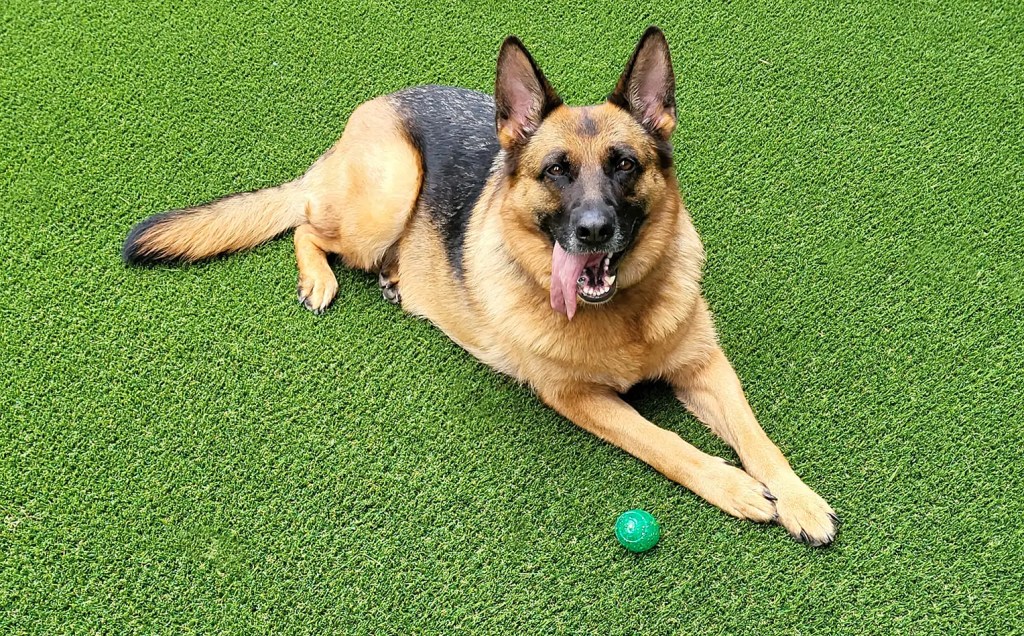
Transforming your backyard into a dog-friendly oasis is a fantastic way to provide your furry friend with a safe, clean, and enjoyable outdoor space. One of the best ways to achieve this is by installing artificial grass. Not only does synthetic turf offer a low-maintenance solution, but it also ensures a mud-free, durable, and hygienic environment for your pet. In this guide, we’ll explore how to create dog-friendly backyard using artificial grass.

Why Choose Artificial Grass for a Dog-Friendly Backyard?

Artificial grass has become increasingly popular among pet owners, and for good reason. Here are some of the key benefits:

Durability and Longevity

Dogs love to run, dig, and play, which can quickly wear down natural grass. Artificial turf is designed to withstand heavy foot traffic and rough play, making it an excellent long-term investment. High-quality synthetic grass can last for years without showing signs of wear.

Easy Maintenance

Natural grass requires constant upkeep—mowing, watering, fertilizing, and dealing with muddy patches. Artificial grass eliminates these chores. A quick rinse with a hose and occasional brushing are all it takes to keep your lawn looking pristine.

Mud-Free and Clean

Rainy days often turn natural lawns into muddy messes, which can be tracked into your home. Artificial grass drains efficiently, preventing puddles and keeping your dog’s paws clean.

Pet-Safe and Non-Toxic

Quality artificial grass is made from non-toxic materials, ensuring it’s safe for pets. Unlike natural lawns, there’s no need for harmful pesticides or fertilizers that could endanger your dog’s health.

Designing Your Dog-Friendly Backyard with Artificial Grass

Creating a backyard that both you and your dog will love involves thoughtful planning. Here’s how to design the perfect space:

Choose the Right Type of Artificial Grass

Not all artificial grass is created equal. Look for pet-specific synthetic turf that features:

  • Drainage holes to prevent water buildup.
  • UV resistance to maintain color and durability under sunlight.
  • Soft yet durable blades for comfort and resilience.

Incorporate a Dedicated Play Area

Dogs need space to run and play. Designate a section of your yard for activities by adding:

  • Agility equipment like tunnels or jumps.
  • A digging pit filled with safe, sand-like material to satisfy their natural instincts.
  • Shaded spots where your dog can relax on hot days.

Add Comfortable Resting Zones

After playtime, your dog will appreciate a cozy spot to rest. Consider:

  • Raised pet beds to keep them off the ground.
  • Shaded pergolas or trees for natural cooling.
  • Soft artificial grass patches for lounging.

Ensure Proper Drainage

One of the biggest advantages of artificial grass is its drainage capabilities. To maximize this:

  • Install a permeable base layer (like crushed rock) beneath the turf.
  • Ensure the turf has adequate slope to direct water away.
  • Opt for infill materials like silica sand to enhance drainage and odor control.

Maintaining Your Artificial Grass Backyard

While artificial grass is low-maintenance, a few simple steps will keep it in top condition for your dog:

Regular Cleaning

  • Rinse weekly with water to remove dirt and pet waste.
  • Use a mild detergent for deeper cleaning if needed.
  • Brush the fibers occasionally to keep them upright and fresh.

Odor Control

  • Apply enzyme-based cleaners to neutralize odors.
  • Use pet-friendly infill like antimicrobial options to reduce bacteria.
  • Remove solid waste promptly to prevent lingering smells.

Inspect for Wear and Tear

  • Check for loose seams or edges and repair as needed.
  • Fluff matted areas with a stiff brush.
  • Replace heavily worn sections if necessary.

Enhancing Your Dog-Friendly Oasis

To make your backyard even more enjoyable for your pup, consider these extra touches:

Add a Splash Zone

Some dogs love water! Install a:

  • Small dog pool for cooling off in summer.
  • Pet-friendly fountain for drinking and playing.

Include Interactive Features

Keep your dog entertained with:

  • Treat-dispensing toys hidden in the grass.
  • Scent trails using dog-safe herbs like lavender or mint.

Secure the Perimeter

Ensure your backyard is escape-proof by:

  • Installing a tall fence to prevent jumping or digging out.
  • Checking for gaps where your dog might squeeze through.

Final Thoughts

Creating a dog-friendly backyard with artificial grass is a smart and practical way to enhance your pet’s quality of life while keeping your outdoor space beautiful and functional. With its durability, easy maintenance, and pet-safe features, synthetic turf is an ideal choice for any dog owner. By incorporating play areas, resting zones, and interactive elements, you can design a backyard oasis that both you and your furry friend will love for years to come.

Start planning your dog-friendly artificial grass backyard today and enjoy a cleaner, greener, and happier outdoor space!

How Artificial Turf Helps Commercial Properties Meet Water Conservation Goals in Arizona

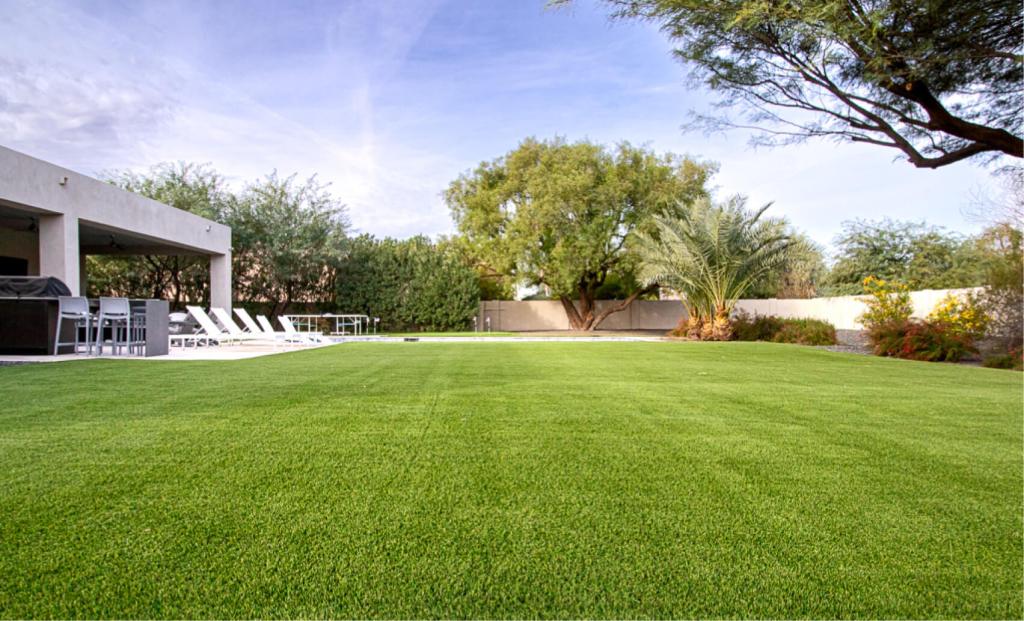
Water conservation is a critical concern in Arizona, where arid conditions and limited rainfall make sustainable landscaping a priority. For commercial properties, maintaining lush green spaces while minimizing water usage can be a challenge. Artificial turf has emerged as a practical and eco-friendly solution, helping businesses reduce water consumption without sacrificing curb appeal. In this blog post, we’ll explore how synthetic grass supports water conservation efforts and the benefits it offers to commercial properties in Arizona.

The Water Crisis in Arizona and Its Impact on Commercial Landscaping

Arizona faces ongoing water scarcity due to its desert climate and prolonged droughts. With increasing population growth and agricultural demands, the state has implemented strict water conservation regulations. Commercial properties, which often feature large lawns, decorative grass, and recreational areas, are under pressure to adopt sustainable landscaping practices.

High Water Demands of Natural Grass

Natural grass requires significant amounts of water to stay green and healthy, especially in Arizona’s extreme heat. According to estimates, maintaining a natural lawn can consume up to 55 gallons of water per square foot annually. For commercial properties with extensive landscaping, this translates to thousands of gallons of water used each month—a costly and unsustainable practice.

Restrictions on Water Usage

Many Arizona municipalities enforce water-use restrictions, limiting irrigation schedules and incentivizing drought-resistant landscaping. Businesses that fail to comply may face fines or higher water rates. Switching to artificial turf allows commercial properties to maintain an attractive appearance while adhering to these regulations.

How Artificial Turf Reduces Water Consumption

Artificial turf provides a realistic, low-maintenance alternative to natural grass that eliminates the need for watering. Here’s how it helps commercial properties conserve water:

Zero Irrigation Requirements

Unlike natural grass, synthetic turf doesn’t need watering to stay green. Once installed, it remains lush and vibrant year-round without a single drop of water. This can lead to substantial water savings, especially for large commercial landscapes such as office parks, shopping centers, and hotels.

No Evaporation or Runoff Waste

In Arizona’s high temperatures, a significant portion of water used on natural lawns is lost to evaporation before it can benefit the grass. Artificial turf eliminates this waste, ensuring that no water is lost due to environmental factors. Additionally, it prevents runoff, which can carry fertilizers and pesticides into storm drains.

Compliance with Water Conservation Programs

Many Arizona cities, including Phoenix and Tucson, offer rebates and incentives for businesses that replace natural grass with water-efficient landscaping. Artificial turf qualifies for these programs, helping commercial properties reduce costs while supporting sustainability initiatives.

Additional Benefits of Artificial Turf for Commercial Properties

Beyond water conservation, artificial turf offers several advantages that make it an ideal choice for commercial landscapes:

Lower Maintenance Costs

Natural grass requires mowing, fertilizing, aerating, and pest control—all of which contribute to high maintenance expenses. Artificial turf eliminates these tasks, reducing labor and equipment costs.

Durability in Harsh Climates

Arizona’s intense sun and heat can cause natural grass to wither and brown. High-quality synthetic turf is UV-resistant and designed to withstand extreme weather, ensuring a consistently green appearance.

Enhanced Aesthetic Appeal

Modern artificial turf looks and feels like real grass, improving the visual appeal of commercial properties. It’s an excellent solution for high-traffic areas where natural grass would wear down quickly.

Eco-Friendly Landscaping

By reducing water usage and eliminating the need for harmful pesticides and fertilizers, artificial turf supports environmentally responsible landscaping practices.

Ideal Commercial Applications for Artificial Turf

Artificial turf is versatile and can be used in various commercial settings, including:

Office Complexes and Corporate Campuses

Maintaining a professional appearance is essential for businesses. Artificial turf provides a pristine landscape without the hassle of constant upkeep.

Retail Centers and Shopping Malls

Synthetic grass enhances outdoor seating areas, walkways, and decorative spaces while reducing water bills.

Hotels and Resorts

Luxury properties can use artificial turf for pool areas, courtyards, and event lawns to create an inviting atmosphere with minimal maintenance.

Sports Facilities and Recreational Areas

From golf course putting greens to playgrounds, synthetic turf offers a durable, all-weather surface that stays green without irrigation.

Conclusion

Artificial turf is a smart investment for Arizona’s commercial properties looking to meet water conservation goals while maintaining an attractive landscape. By eliminating irrigation needs, reducing maintenance costs, and complying with local sustainability programs, synthetic grass provides a practical and eco-friendly alternative to natural lawns. As water scarcity remains a pressing issue in the state, adopting artificial turf is a proactive step toward a more sustainable future for businesses and communities alike.

For commercial property owners and managers in Arizona, the switch to artificial turf is not just a water-saving measure—it’s a long-term strategy for cost efficiency, environmental responsibility, and enhanced curb appeal.

Why Schools and Daycares Are Switching to Synthetic Turf

Introduction

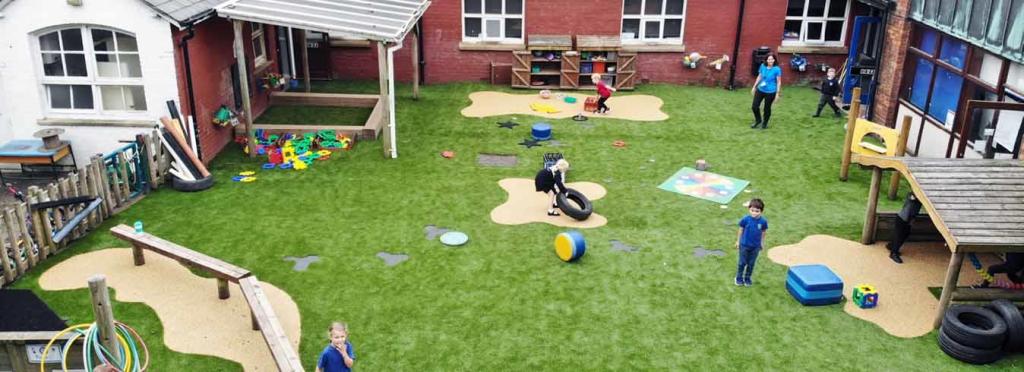
In recent years, schools and daycares across the country have been making the switch from natural grass to synthetic turf for their outdoor play areas. This trend is driven by several factors, including durability, safety, and cost-effectiveness. As educational institutions seek low-maintenance solutions that provide a safe and reliable environment for children, synthetic turf has emerged as a popular choice.

Below, we explore the key reasons behind this shift and how synthetic turf is transforming playgrounds and sports fields in educational settings.

The Benefits of Synthetic Turf for Schools and Daycares

1. Durability and Longevity

Natural grass requires constant upkeep, including mowing, watering, and fertilizing. Over time, high-traffic areas can become worn out, leading to muddy patches and uneven surfaces. Synthetic turf, on the other hand, is designed to withstand heavy use without deteriorating.

  • Weather-resistant: Unlike grass, synthetic turf doesn’t get waterlogged or turn into mud after rain.
  • Year-round usability: It remains green and functional in all seasons, eliminating downtime due to maintenance.
  • Long lifespan: High-quality synthetic turf can last 8–15 years with minimal upkeep.

For schools and daycares, this means fewer closures for field repairs and a consistently usable play area.

2. Enhanced Safety Features

Safety is a top priority for any institution caring for children. Synthetic turf offers several safety advantages over natural grass:

  • Impact absorption: Many synthetic turf systems include padded underlays that reduce injuries from falls.
  • Even surface: Unlike natural grass, which can develop holes and uneven terrain, synthetic turf provides a flat, stable playing field.
  • Non-toxic materials: Modern synthetic turf is free from harmful chemicals, making it safe for kids to play on.

These features make it an ideal choice for playgrounds, sports fields, and daycare play zones where falls and tumbles are common.

3. Low Maintenance and Cost Savings

Maintaining natural grass fields can be expensive and labor-intensive. Schools and daycares often struggle with budget constraints, making synthetic turf a financially smart alternative.

  • No watering needed: Synthetic turf eliminates the need for irrigation, saving thousands of gallons of water annually.
  • No mowing or fertilizing: Schools can reduce landscaping costs and reallocate resources to other programs.
  • Minimal repairs: Unlike grass, synthetic turf doesn’t develop bald spots or require reseeding.

While the initial installation cost may be higher, the long-term savings make it a worthwhile investment.

4. All-Weather Playability

Rain and extreme weather often force schools to cancel outdoor activities due to muddy or unsafe conditions. Synthetic turf solves this problem by providing a reliable surface in all weather conditions.

  • Quick drainage: Advanced drainage systems prevent puddles, allowing play to resume shortly after rain.
  • No mud or dirt: Children stay cleaner, reducing mess in classrooms and daycare facilities.
  • Consistent performance: Sports teams can practice and play games without worrying about field conditions.

This all-weather functionality ensures that children have more opportunities for outdoor play and physical activity.

5. Aesthetic Appeal and Customization

Synthetic turf maintains a vibrant, lush appearance year-round, enhancing the visual appeal of school and daycare campuses. Additionally, it offers customization options:

  • Color variations: Schools can choose different shades of green or even incorporate colored turf for playground designs.
  • Line markings: Sports fields can have permanent, fade-resistant lines for soccer, football, or other games.
  • Creative layouts: Daycares can design fun patterns or themed play areas to stimulate children’s imaginations.

This flexibility allows institutions to create engaging, visually appealing spaces tailored to their needs.

6. Environmental Benefits

While some may argue that natural grass is more eco-friendly, synthetic turf has several environmental advantages:

  • Water conservation: Eliminating the need for irrigation reduces water usage significantly.
  • No pesticides or fertilizers: Synthetic turf doesn’t require harmful chemicals that can leach into groundwater.
  • Recyclable options: Many synthetic turf products are made from recycled materials and can be recycled at the end of their lifespan.

For schools and daycares looking to adopt sustainable practices, synthetic turf presents a viable green solution.

Conclusion

The shift to synthetic turf in schools and daycares is driven by practical, financial, and safety considerations. Its durability, low maintenance, and all-weather usability make it an attractive alternative to natural grass, while its safety features ensure a secure environment for children to play and learn.

As more institutions recognize these benefits, synthetic turf is likely to become the standard for playgrounds and sports fields in educational settings. Whether for a small daycare play area or a large school sports field, synthetic turf offers a long-term solution that meets the needs of both administrators and children alike.

By investing in synthetic turf, schools and daycares can create safer, more functional, and visually appealing outdoor spaces that enhance the overall experience for students and staff.